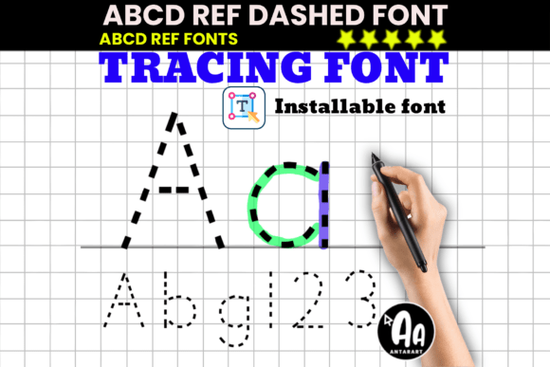
If you're creating early learning materials whether you’re a teacher, homeschool parent, or designer making printable resources you know how important it is to use fonts that support proper letter formation. That’s where the Abcd Ref Dashed Dotted Tracing Font comes in. Designed specifically for handwriting practice, this font mimics the classic dotted-line style found in many classroom workbooks, making it instantly recognizable and effective for young learners aged 4 to 8.
What makes this font especially useful is its clean, minimal design. It includes uppercase and lowercase letters, numbers, punctuation, and even editable name templates so you can quickly generate personalized tracing sheets for each student. Whether you're preparing back-to-school review packets, center activities, or homework printables, this font saves time while keeping your materials consistent with standard handwriting instruction.
Who actually uses this kind of tracing font?
While it’s built with educators in mind, the Abcd Ref Dashed Dotted Tracing Font is also popular among:
- Print-on-demand sellers creating educational activity books or alphabet workbooks
- Homeschooling parents who want structured, ready-to-print practice pages
- Graphic designers developing classroom decor kits or digital teaching resources
- Crafters making custom name tags, bulletin board letters, or laminated tracing cards
Because it works in any software that supports installed fonts including MS Word, PowerPoint, Canva Pro, Adobe apps, Inkscape, and even basic programs like Paint it’s flexible enough for both tech-savvy creators and those just starting out.
How is this different from other “dotted” fonts?
Many free or generic dotted fonts online either lack proper spacing, use inconsistent stroke weights, or miss key characters like numbers and punctuation. The Abcd Ref version was created with input from early childhood educators to ensure correct letter proportions and starting points critical for building good handwriting habits.
Plus, unlike some decorative options (like the playful Hippie Flower Font or the mystical Soul Cards Font), this one prioritizes function over flair. That doesn’t mean it’s boring it’s intentionally neutral so kids focus on form, not fancy details.
Can I really customize student names easily?
Yes! One of the standout features is the included editable name templates. Instead of manually drawing dotted lines for each child’s name, you simply type it in using the font, and it automatically formats in the correct tracing style. This is a huge time-saver during back-to-school season or when rotating students through literacy centers.
For example, if you’re making welcome folders or personalized desk plates, you can pair the tracing font with a solid companion font (like the clean-lined Luna Font) for labels or instructions keeping the design cohesive without overwhelming young eyes.
What about classroom decor and bulletin boards?
Absolutely. Teachers often use this font to create large-letter displays for alphabet walls or word walls. Since the dashed style is familiar from worksheets, students make the connection between practice pages and visual aids more easily.
And if you’re designing a themed classroom say, military or adventure-based you might mix it with bolder styles like the Negative Space Army Stencil Font for headers, while keeping practice content in the Abcd Ref font for consistency.
You can find the Abcd Ref Dashed Dotted Tracing Font on Creative Fabrica, where it’s part of their growing collection of education-focused design assets.
Before you start designing, keep this in mind:
- Always test print a sample sheet to check line weight and spacing especially if you’re using a home printer.
- Use thick paper or laminate sheets for reusable tracing cards with dry-erase markers.
- Pair with simple, sans-serif fonts for instructions to maintain readability.
- Remember: this font is for practice, not final writing so avoid using it in finished student assessments or formal documents.
If you create printable resources regularly, consider building a small toolkit of purpose-built fonts: one for tracing (like this one), one for clear labeling, and maybe one decorative option (such as the Abcd Ref Dashed Dotted Tracing Font’s sibling styles) for covers or accents.
Next step: Download the font, open your favorite design program, and type a child’s name in both uppercase and lowercase. Print it at 72–96 pt size and see how naturally it guides pencil movement. If it feels intuitive to trace even for an adult you’ve got a winner for your next educational project.
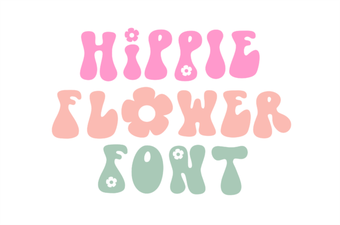 Peaceful & Creative Hippie Flower Fonts
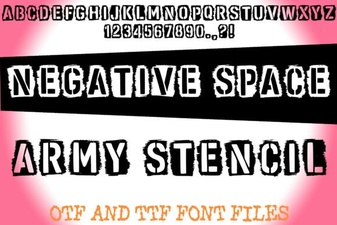 Designing with Negative Space Army Stencil Fonts
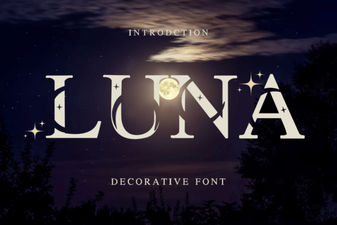 Discover the Luna Font for Creative Design Projects
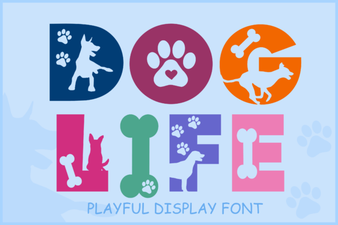 Fun Dog Life Fonts for Creative Projects
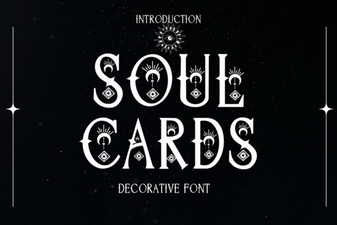 Soul Cards Font: Creative Design & Ideas
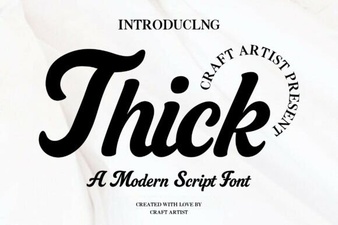 Thick Fonts for Bold & Impactful Design Projects